
Two weeks for gel polish
Gel polish looks best for about two weeks. Fingernails grow roughly three millimetres a month, which is about a millimetre a week, so by day fourteen there is a visible line of new growth at the base. The product itself may still be intact, but the margin at the cuticle has changed, and the balance of the nail has shifted. A set that is left for four weeks is not twice as good value; it is a set with a wider gap, more leverage at the tip, and a higher chance of a lift when the client knocks it. The two week marker is a guide, not a rule, but it is a useful one for most clients.
Book the next appointment before the client leaves, and write the date on the card. Two weeks suits a client whose nails grow quickly, who works with her hands, or who wants the cuticle line to stay clean. Three weeks suits a client with slower growth or a set that is holding well. Four weeks is usually too long for gel polish, and if a client insists on it, explain what will happen at the edges and check the set carefully at the next visit. The interval should match the growth, the work, and the season, not the shop's quiet days.
Events change the calendar. For a wedding, a shoot, or a holiday, book the finish two or three days before, not the day before, so there is room to fix a chip or a reaction. Book the removal for after the event, and do not let a set run for a month because the client was away. If the client is travelling, a shorter length and a simple finish are safer than a long set that will catch on luggage. Put the event date on the card and work backward from it. The client will remember that the timing was planned, not improvised.
The calendar is also a record of the nail's history. If a client always needs a repair at day ten, the interval is too long or the structure is wrong. If a set lasts three weeks without a lift, the prep and the aftercare are working. Note the interval, the product, the shape, and any repair, and look at the pattern every few months. A maintenance calendar is not administration for its own sake; it is how a technician learns what this client's nails do, which is more useful than any general rule. The client who sees that you remember will trust the next recommendation.
- 1. Book the next appointment before the client leaves the chair.
- 2. Write the date, the interval, and the product on the client card.
- 3. Use two weeks for gel polish on most clients, and three for slower growth.
- 4. Explain what a four week set does to the cuticle line and the tip.
- 5. Book event nails two or three days before, not the day before.
- 6. Book the removal after the event, and keep travel sets short and simple.
- 7. Note every repair and look for a pattern in the interval.
- 8. Adjust the interval to growth, work, and season rather than to habit.
Salon example
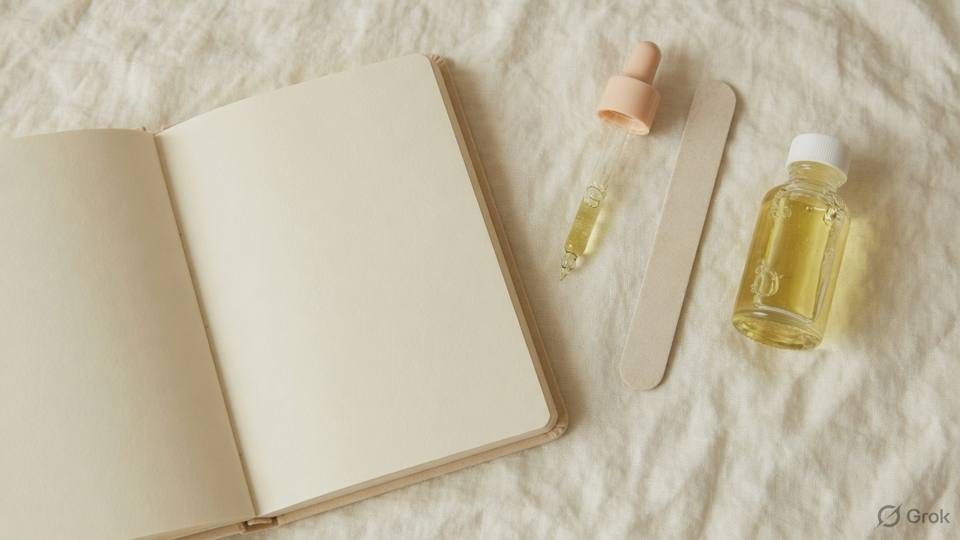
A client named Rupa books a gel set for a holiday in six weeks and asks for the longest lasting option. The technician explains that gel polish looks best for about two weeks, and that a set applied the day before a flight will have a fresh cuticle line but will also be under pressure from luggage, sun cream, and swimming. She suggests applying the set three days before the trip, keeping the length short, and booking a removal for the day after she returns. She also offers a small bottle of cuticle oil and a file for the trip. Rupa agrees, and the technician writes the dates on the card. Rupa returns with a set that has grown but not lifted, and the removal takes twenty minutes. She says the short length was the right call because she spent the week in the sea. The technician notes the interval and the holiday dates, and the next set is booked for two weeks after the return. The card note also includes the flight date, so the next booking is planned around it.
Caution: A gel set is a two week service, not a permanent one; book it that way.
Fills before the grow-out becomes a lever
An enhancement needs a fill every two to three weeks, depending on growth and work. The reason is not appearance; it is mechanics. As the nail grows, the apex moves forward with it, and the balance of the structure changes. The product that was over the stress area is now closer to the tip, and the new growth at the base has no product support. The result is a lever: the free edge is longer, the apex is in the wrong place, and a knock that the nail would have absorbed two weeks ago now snaps it at the stress line. A fill before that point is cheaper than a repair after it.
Watch for the signs that the fill is due. The cuticle gap has become a visible band of new growth. The product at the base feels thin or flexible. The apex no longer sits over the stress area when you look from the side. The client reports that a nail feels different, or that a corner catches. Any of these means the structure needs attention, even if the set still looks good from above. Do not wait for a lift to book the fill, because a lift is already a failure, and the repair will take longer than the fill would have.
Some clients stretch the interval because they are busy or because they want to save the appointment. Explain the lever in plain words: the longer the set stays, the further the support moves from where it is needed. If they cannot come at three weeks, offer a shorter length at the previous visit so the set can survive an extra week. If a set has already gone too long, do not simply fill it. Remove the product in the stress area, check the plate, rebuild the apex, and shorten the length. A fill that ignores a moved apex is a colour change, not maintenance.
The calendar should also include a rest. After a long run of enhancements, many clients benefit from a week or two without product, with oil and a strengthener. Suggest it before the plate looks thin, not after it breaks. Some clients will refuse, and that is their choice, but the suggestion should be made. A client who alternates between sets and short rests tends to have stronger nails over a year than one who never takes a break. Note the last rest on the card so the recommendation is based on the client's history, not on a general rule. That conversation is easier when the card already shows the interval the client has been keeping.
- 1. Book fills every two to three weeks, based on growth and daily work.
- 2. Check the apex position at every visit, from the side.
- 3. Treat a visible band of new growth as a signal that the fill is due.
- 4. Do not wait for a lift before booking the fill.
- 5. Shorten the length if the client needs to stretch the interval.
- 6. Rebuild the apex and the structure instead of filling over a moved one.
- 7. Suggest a short rest after a long run of enhancements.
- 8. Record the interval, the rest, and the repairs on the client card.
Salon example
A client named Megha has been coming every four weeks because her schedule is tight, and she has had a repair at each of the last three visits. The technician looks at the set and sees that the apex has moved close to the tip on every nail, and the new growth at the base is unsupported. She explains the lever in simple terms: the part of the nail that used to take the knock is now near the end, and the base has nothing over it. She offers two options: a fill at three weeks with a slightly shorter length, or a removal and a rebuild if Megha wants to keep the length. Megha chooses the three week fill. At that appointment the technician rebuilds the apex and shortens the free edge, and the set feels balanced again. The next repair does not happen. Megha moves her standing appointment to three weeks, and the technician notes the change on the card so the booking desk does not offer a four week slot. She also moves the standing booking to three weeks, and the desk confirms it by message.
Caution: An overgrown set is not a saving; it is a lever with a break at the end.
Oil daily and gloves for wet work
Cuticle oil is the cheapest tool in the salon and the one most often skipped. Dry cuticle skin cracks, and a crack at the side wall is an opening. Oil keeps the skin flexible, reduces hangnails, and makes the cuticle line easier to push at the next visit. Ask the client to use it once a day, and twice a day if the hands are dry or the season is cold. The technique matters: one drop on each nail, massage it into the cuticle and the side walls, and wipe the excess rather than leaving the hands greasy. Oil after washing hands, not before, because water removes it.
Wet work is the other half of the routine. Washing dishes, cleaning, gardening, and handling wet laundry all soften the nail plate and the skin, and a soft plate flexes under product. Rubber gloves protect both. Recommend a pair for dishes and cleaning, and a separate pair for gardening or chemicals. Gloves should fit, because a loose glove lets water in at the wrist, and they should be dried inside out after use. For clients who work in water all day, for example a cook or a cleaner, gloves are not optional; they are the difference between a set that lasts two weeks and one that lifts in five days.
The calendar should include the seasons. Winter air is dry, and hands that were fine in summer may crack in December. Summer brings sun cream, chlorine, and salt water, all of which affect the finish. A client who swims regularly should book a shorter interval and keep the nails short. A client who gardens should wear gloves and check the side walls for dirt and small nicks. Ask about the season and the routine at each visit, and adjust the aftercare rather than repeating the same advice all year. The advice that fits the client's week is the advice they will follow.
Finally, teach the client what to book instead of what to fix at home. A small chip can be filed smooth at the salon, but a lift needs a removal, not more product on top. A broken nail needs a repair appointment, not glue. A discoloured nail needs a check, not a cover. Put these four situations on a card, in plain words, and tell the client to message the shop rather than improvise. The goal is not to make the client dependent on the salon; it is to make the decisions clear, so the client knows when a five minute visit is enough and when the nail needs to be seen properly.
- 1. Recommend cuticle oil once a day, and twice a day when the hands are dry.
- 2. Show the technique: one drop per nail, massage the cuticle and side walls.
- 3. Recommend oil after washing hands, not before.
- 4. Advise gloves for dishes, cleaning, gardening, and chemicals.
- 5. Check that gloves fit, and dry them inside out after use.
- 6. Adjust the interval for swimming, gardening, and cold weather.
- 7. Tell the client to book a removal for a lift, not to fill or glue it.
- 8. Give the four situations in writing: chip, lift, break, discolouration.
Salon example
A client named Farah runs a small catering business and spends six hours a day with her hands in water. Her gel sets have been lifting at the side walls within a week, and she has started to think that gel does not suit her. The technician asks about her day and learns that she washes pots without gloves and uses a strong cleaning product on the counters. She explains that water softens the plate and that the cleaning product dries the skin, and that the two together make the side wall lift. She recommends a pair of fitted rubber gloves for the sink and a separate pair for cleaning, and a cuticle oil twice a day. She also shortens the length slightly and books a two week check. Farah buys the gloves the same day and messages two weeks later to say the set is still on. At the check, the side walls are intact, and the technician notes the routine on the card so the next appointment starts with the same advice. The technician also asks about the gloves at the next two visits, because a new habit needs a reminder.
Caution: Long wet work without gloves will defeat the best application.
This is a Nandu Nai textbook. It is a private brand book, not a government licence, and it does not give the right to give medical treatment.